


Constipation
Constipation is one of the most frequently reported digestive complaints worldwide. It affects people of all age groups, from children to the elderly, and is more common in women and older adults due to lifestyle, hormonal, and medical factors. Unlike occasional indigestion or minor stomach issues, constipation directly affects bowel movements—the natural process of removing waste from the body.
A person with constipation experiences infrequent bowel movements, usually fewer than three times per week, and stools that are hard, dry, and difficult to pass. In many cases, there is also a constant feeling of incomplete evacuation, bloating, abdominal discomfort, or straining during defecation.
Although constipation is not always a serious disease, chronic constipation can impact a person’s quality of life, increase the risk of secondary complications such as hemorrhoids or fissures, and sometimes act as a warning sign for more severe conditions such as colorectal cancer.
In this article, we will cover:
- The definition and meaning of constipation
- Common causes and contributing risk factors
- Symptoms, warning signs, and complications
- Diagnosis and medical evaluations
- Detailed management: diet, lifestyle, natural remedies, and medical treatments
- Special cases (pregnancy, elderly, children)
- Long-term prevention strategies
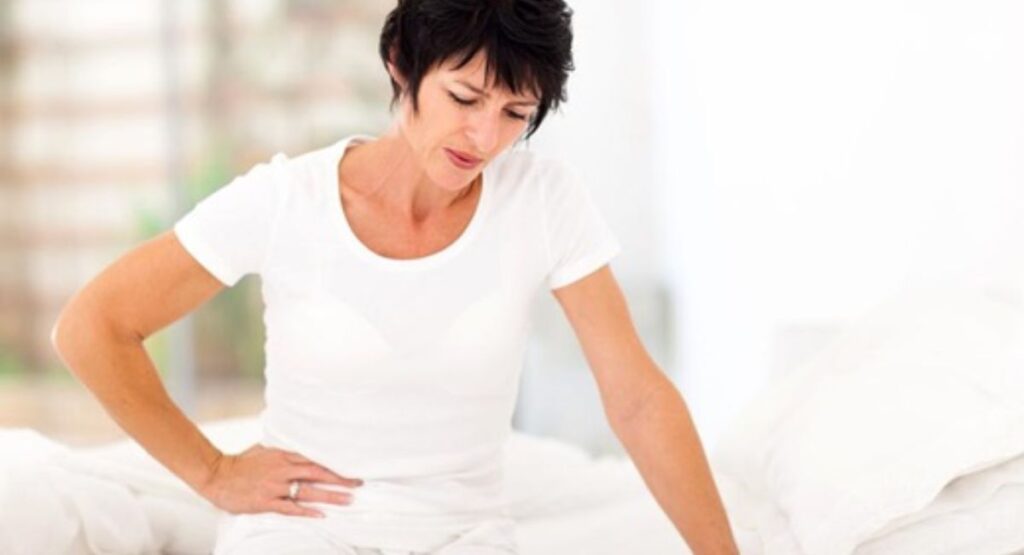
What is Constipation?
Medically, constipation is defined as:
- Fewer than three bowel movements per week
- Hard, dry, lumpy stools that are painful to pass
- Excessive straining during defecation
- A constant feeling of incomplete evacuation
However, it is important to note that normal bowel movement frequency varies from person to person. Some people may pass stools two or three times a day, while others only three times per week. Both can be considered normal if the stool is soft, passed easily, and does not cause discomfort.
The real concern begins when a person notices a sudden change in their bowel habits or persistent difficulty lasting for weeks or months.
Causes of Constipation
Constipation usually develops due to multiple factors, and understanding these is the first step in effective management. Causes can be divided into lifestyle-related, medical, and medication-related categories.
1. Lifestyle Causes
- Low-fiber diet: Diets lacking in fruits, vegetables, and whole grains slow down bowel movement. Fiber adds bulk and softness to the stool, making it easier to pass.
- Dehydration: Insufficient fluid intake leads to dry, hard stools.
- Physical inactivity: A sedentary lifestyle weakens intestinal contractions, slowing stool movement.
- Ignoring natural urges: Suppressing the urge to defecate can desensitize rectal nerves, worsening constipation.
- Changes in routine: Traveling, stress, or sudden lifestyle changes can disturb regular bowel function.

2. Medical Causes
- Irritable Bowel Syndrome (IBS-C): A chronic condition affecting the colon, often leading to alternating constipation and diarrhea.
- Endocrine disorders: Diabetes and hypothyroidism can slow bowel movements.
- Neurological disorders, Parkinson’s disease, multiple sclerosis, and spinal cord injuries affect the nerve control of the intestines.
- Pregnancy: Hormonal changes and pressure from the growing uterus slow digestion.
- Aging: Reduced muscle strength, slower metabolism, and decreased physical activity contribute to constipation in older adults.
3. Medication and Supplement Causes
- Iron and calcium supplements
- Opioid painkillers
- Certain antidepressants and anti-anxiety drugs
- Antacids containing aluminum or calcium
- Some blood pressure medications
- Symptoms of Constipation
While occasional constipation may not be alarming, chronic constipation has clear signs:
Common Symptoms
- Passing fewer than 3 stools per week
- Hard, lumpy, or dry stools
- Painful and strained bowel movements
- Feeling of incomplete evacuation
- Abdominal bloating and cramps
- Loss of appetite and fatigue
Warning Signs (When to See a Doctor)
- Blood in stool (may indicate fissures, hemorrhoids, or cancer)
- Sudden, unexplained weight loss
- Severe or constant abdominal pain
- Constipation lasting longer than 3 weeks
- Family history of colon cancer
Complications of Chronic Constipation
Untreated constipation can lead to serious health issues, such as:
- Hemorrhoids: Swollen blood vessels in the rectum caused by excessive straining.
- Anal fissures: Small tears in rectal tissue, leading to pain and bleeding.
- Rectal prolapse: A rare condition where part of the rectum protrudes outside the anus.
- Fecal impaction: Hardened stool stuck in the colon or rectum, sometimes requiring medical removal.
- Bowel obstruction: A Rare but life-threatening condition where the intestine becomes blocked.
Diagnosis of Constipation
Doctors usually begin with a physical examination and medical history. Depending on symptoms, they may recommend:
- Blood tests: To check thyroid function, diabetes, or other systemic conditions.
- Colonoscopy: To rule out colon cancer, especially in patients over 50.
- X-ray or CT scan: To detect obstructions or blockages.
- Anorectal manometry: Measures rectal muscle strength and nerve function.
- Stool tests: To check for hidden blood or infections.
Management & Remedies

1. Dietary Adjustments
- Increase fiber intake (25–35 grams/day).
- Eat more whole grains, legumes, oats, leafy vegetables, pears, prunes, and apples.
- Drink 8–10 glasses of water daily.
- Limit processed foods, cheese, and red meat, which slow digestion.
2. Lifestyle Modifications
- Exercise regularly (walking, yoga, or swimming at least 30 minutes/day).
- Develop a fixed toilet routine, preferably after meals.
- Use a footstool or adopt a squatting position for better bowel movement.
- Reduce stress through relaxation techniques.
3. Natural & Home Remedies
- Warm lemon water in the morning stimulates digestion.
- Herbal teas such as ginger, peppermint, or chamomile promote bowel relaxation.
- Flaxseeds and chia seeds are natural laxatives due to high fiber and omega-3.
- Aloe vera juice may soothe the digestive tract.
4. Over-the-Counter Treatments
- Bulk-forming laxatives: Psyllium husk (Metamucil) adds fiber bulk.
- Osmotic laxatives: Milk of magnesia, polyethylene glycol draw water into the stool.
- Stimulant laxatives: Bisacodyl, senna stimulate intestinal contractions.
- Stool softeners: Docusate sodium makes stools easier to pass.
5. Prescription Medications
For severe or chronic constipation, doctors may prescribe:
- Lubiprostone (Amitiza)
- Linaclotide (Linzess)
- Prucalopride (Resolor)
6. Advanced Treatments
- Biofeedback therapy: Helpful for patients with pelvic floor dysfunction.
- Surgery: Rare, only in severe structural issues or bowel obstruction.
Special Cases
In Pregnancy
- Hormonal changes slow digestion.
- Iron supplements worsen constipation.
- Safe remedies: fiber-rich diet, water, light walking, and doctor-approved stool softeners.
In Children
- Often caused by low fiber, dehydration, or toilet training issues.
- Encourage fruits, vegetables, and water intake.
- Pediatric stool softeners may be prescribed when needed.
In the Elderly
- Due to weaker intestinal muscles, reduced mobility, and multiple medications.
- Management focuses on hydration, fiber intake, and gentle activity.
Prevention
Long-term prevention is possible with simple lifestyle choices:
- Eat a high-fiber diet daily (fruits, vegetables, whole grains).
- Stay hydrated with at least 2 liters of water daily.
- Exercise regularly.
- Avoid excessive processed or junk foods.
- Do not ignore the urge to pass stool.
- Maintain regular sleep and toilet habits.
Conclusion
Constipation is not just a minor digestive discomfort—it is a health condition that can impact physical well-being, mental health, and daily productivity. While it is often temporary and manageable with dietary changes, hydration, exercise, and natural remedies, ignoring it can lead to complications.
By adopting a fiber-rich diet, drinking enough water, staying physically active, and consulting a doctor when necessary, constipation can be effectively managed and prevented.
A healthy digestive system ensures overall better health, energy, and quality of life.
FAQs
Q: How can I relieve constipation quickly?
Drinking warm water, eating prunes, or taking an over-the-counter osmotic laxative often provides quick relief.
Q: What foods help with constipation?
Fiber-rich foods such as oats, beans, pears, apples, leafy vegetables, and prunes are the best natural remedies.
Q: What foods cause constipation?
Processed foods, fast foods, excessive dairy products, and red meat are common triggers.
Q: Is constipation dangerous?
Occasional constipation is normal, but chronic cases may lead to serious complications like fissures, hemorrhoids, or even colorectal cancer.
Q: How do the elderly manage constipation?
Elderly patients should focus on hydration, soft fiber foods, and light physical activity. In persistent cases, a doctor may prescribe stool softeners.

**About EliteAneesa**
Welcome to **EliteAneesa**, a platform dedicated to high-quality blogging and guest posting. Our mission is to provide insightful, SEO-optimized content while offering writers and businesses an opportunity to share their expertise. Whether you’re looking to publish a guest post or purchase an author account, **EliteAneesa** helps you grow your online presence and authority.
🚀 **Write. Publish. Connect.** 🚀
👉 **Join us today!**